Did you know that being mindful, specifically the practice of mindfulness meditation, can help you learn more about yourself? And, what better person to learn more about!
Sitting with our breath, our mind, for just a few minutes a day, can help shine a spotlight on our habitual responses, our self-talk. Sometimes our self-talk is reassuring and helpful, but other times it can be negative, cause turmoil, and lead us to make wrong choices or decisions. We can be our own worst enemy. But, when we take the time to learn more about ourselves, our thought patterns, we can become more accepting and compassionate towards ourselves and towards others.
In my three-part series on Mindful Living, I have discussed two ways of living mindfully – Mindful Eating and Mindful Wakeups. Today’s blog post is about mindfulness meditation. Mindfulness meditation is a seated meditation practice where you focus on your breath, your thoughts, your emotions, but let them pass without judgment. I have practiced and taught this form of meditation for many years. As someone who has dealt with anxiety and stress over the years, this form of meditation has helped me learn about my habitual thought patterns and as a result learn how to become more calm and more relaxed. In addition to potentially relieving stress and anxiety, mindfulness meditation can help improve sleep, improve health, and even improve brain function! The Harvard Gazette says “Doing mindfulness is like a fitness routine for your brain,” she said. “It keeps your brain healthy.”
Before I give a few suggestions on how you can start your very own mindfulness meditation practice, I first would like to tell you what mindfulness meditation is NOT:
- It is NOT a religion.
- It is NOT a relaxation exercise, rather it is a way of understanding (through practice) of how our mind behaves and how our mind and body work together as a whole.
- It is NOT going into a trance.
- It is NOT escaping from reality.
- It is NOT for only monks.
Rather, Mindfulness Meditation is a study of ourselves and an exploration of our life experience. It reminds us of what we are supposed to be doing and who we are. It helps us truly live!
Let’s get started in Mindfulness Meditation:
- Find a quiet place to sit without being disturbed.
- Decide on a specific time for the meditation session. If you are a beginner to mindfulness meditation, I would suggest you start with 5 minutes. The Insight Timer is a great app you can download onto your phone. This app also has guided meditations!
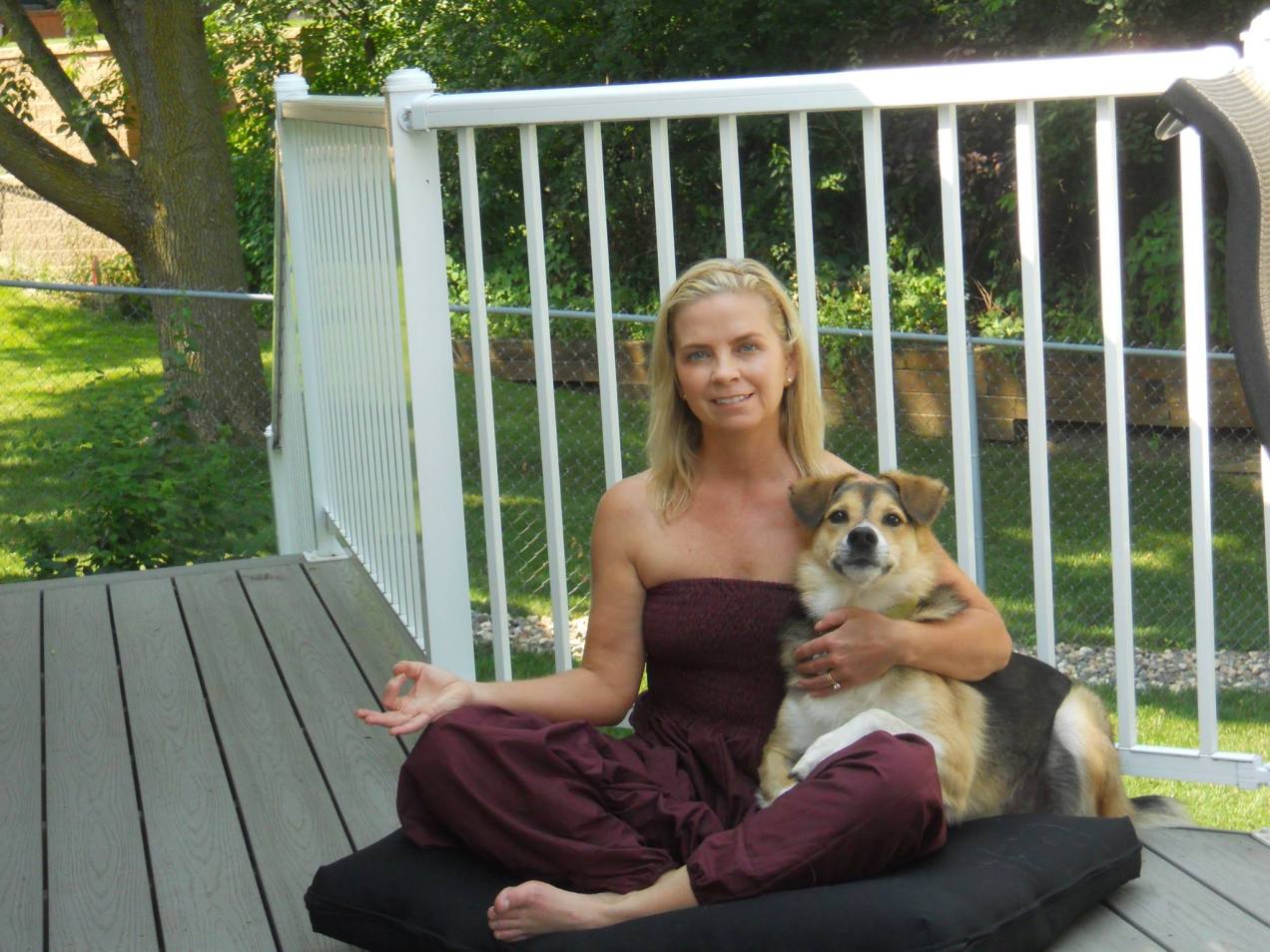
- Wear loose, comfortable clothing. A meditation cushion helps in both comfort and posture. Find a seated position that works best for you and your degree of flexibility. Sit up tall. Place your hands palm-up on your knees. Or, if you prefer, rest your hands (palms-up) in your lap, or another hand gesture you are comfortable with. Heathline.com gives some additional options on seated meditation positions.
- Relax your shoulders. Tilt your head slightly forward so your gaze is naturally directed to the floor in front of you.
- Relax your jaw and mouth, with your teeth slightly apart. Do not clench your jaw. Your lips are slightly touching. Tip of tongue touching back of upper teeth, or rest behind your lower teeth.
- Close your eyes: Breathe naturally. Sit for about one minute before you begin – allow your heart and breathing to slow.
- Gently bring your attention to your breath and begin the meditation session: There is no particular goal. Just sit and breathe. Allow yourself to be absorbed in the practice.
- Allow your thoughts and feelings to come and go without attachment: Don’t try to control your thoughts in any way. Don’t follow them. Just note them and return to your awareness of the breath.
- How to handle distractions: There are quite a few ways to handle distractions, and I will note a few here, but in time you will find techniques that work the best for you. Deep Breaths – take a few deep, quick breaths when you realize you have become distracted. Counting – on your inhale count “one, one, one” until the lungs are full of air, then on your exhale count “two, two, two” until your lungs are out of air; continue this until you reach ten and repeat if needed.
- Meditate in this way for 5 – 20 minutes (beginners for less time). It is more important and beneficial to meditate for 5 minutes each day, rather than an hour every two weeks. Daily practice is an essential element of effective meditation.
Are you ready to meet YOU? Are you ready to explore and learn more about your beautiful, divine self?
I hope this blog gives you the gentle nudge you need to try this profound meditation practice. Please contact me if you want to learn more about mindfulness meditation. As a practitioner and teacher of this mindful practice, I would love to help you along your mindful living exploration.
Blessings to you,
Alexis



 Alexis Cress Yoga and Rainbow's Light